Typical job
Bed bug bites showing up after sleeping
The owner gets a written estimate and a clear picture of what the treatment involves before committing to anything.

Pest Control · Notre Dame, IN
Notre Dame homes sit between the Golden Dome and quiet residential streets off IN 933, and the pest pressure here changes with every season. Humid summers push mosquitoes into shaded yards near Notre Dame Stadium, while severe thunderstorms tear open siding and roof entry points that let wasps and rodents slip inside.
We treat what actually shows up in St. Joseph County homes ant trails across kitchen counters, mice in the pantry, termites swarming in spring. Four distinct seasons mean there is no off-season for pests here, only different ones. Our team inspects first, identifies the pest, and matches treatment to the structure wood-frame suburban homes, historic brick residences, and basements that take on seepage after heavy summer rain. One call covers it. We explain what we find before we treat, and we schedule follow-up inspections when the pest requires it. Call (855) 681-0299 and we will route a licensed applicator to your Notre Dame address, usually within the week.
From the Basilica of the Sacred Heart to the brick homes along Douglas Road, Notre Dame’s housing stock is older, heavier on basements, and exposed to lake-effect winter snow and freeze-thaw cycles that widen foundation cracks. Those gaps are exactly where winter freezes push mice and rats indoors, and high humidity after humid summer thunderstorms supports the moisture-loving pests that follow. We read those conditions on every inspection before recommending treatment.
Expect a scheduled arrival window, a clear written finding, treatment matched to the pest, and honest communication from the first inspection through any follow-up visit. We work around tenants and game-day traffic near Notre Dame Stadium.
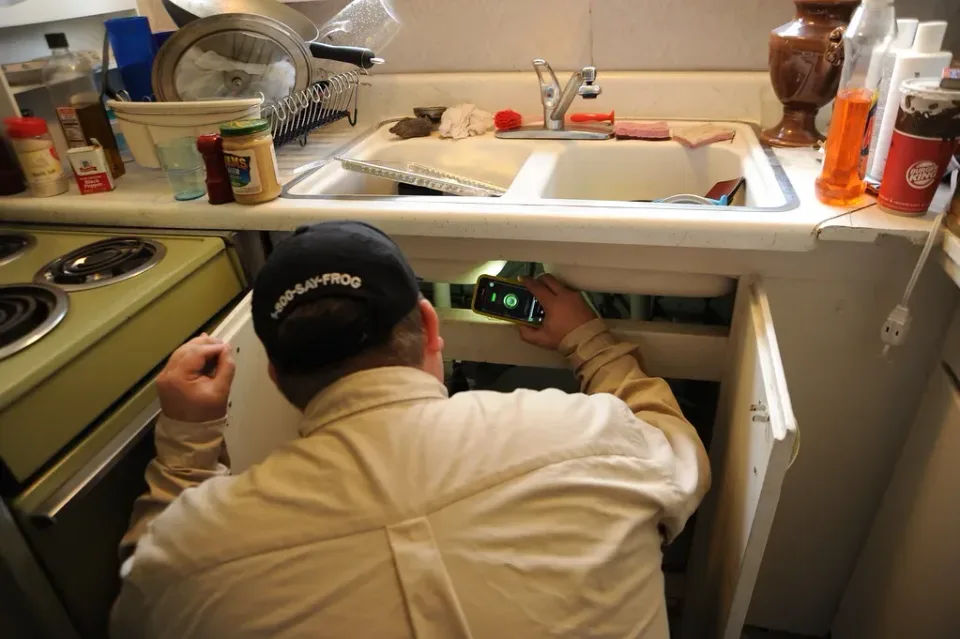
Three situations bring most Notre Dame calls to us. First: spring storms drive rodents toward dry indoor shelter, and snow cover conceals their activity around foundations until droppings show up inside pantry cabinets mouse droppings run roughly 3–6 millimeters long, a quick check you can make with a ruler.
Second: heavy summer rain floods basements and crawl spaces in the wood-frame homes west of campus, and standing moisture speeds up insect development and colony growth all season. Third: humid summers encourage mosquito breeding and termite swarming, so swarmers or discarded wings near window sills in spring mean it is time for a termite inspection.
Our typical jobs here include:
Variable rainfall affects standing water and mosquito habitats, and few places collect water like the low spots and tree lines around Notre Dame Stadium after a summer storm. A saucer under a downspout, a tarp on stacked firewood, or a clogged gutter on a historic brick residence can produce mosquito larvae within a week of rain. We walk the property, dump or treat the water sources, and apply residual product to shaded resting sites that combination is what actually cuts bites, not fogging alone.
Moisture control is the other half of the job. Basements vulnerable to seepage near campus, especially in older homes off Angela Boulevard, attract silverfish, centipedes, and the conditions termites want. We carry a moisture meter on inspections and flag readings above the range where wood-destroying pests thrive.
Everything we apply follows the EPA pesticide product label, which specifies permitted use sites and rates set by the U.S. Environmental Protection Agency. If you only fix one thing this month, empty every container holding rainwater within 50 feet of your door.
FIFRA, the federal law behind it all, requires pesticides to be used according to the product label, which limits where and how each product may be applied.
Two rules homeowners overlook matter here. Pesticide container disposal must follow label directions rinsed containers do not belong in curcycling bins with residue inside. And under 29 CFR 1910.1200, OSHA’s Hazard Communication Standard, our technicians carry Safety Data Sheets for every product brought onto a property, including rentals near the University of Notre Dame.
Skipping a licensed applicator risks misapplication,无效 treatment, and liability if a tenant or pet is exposed.
Why us
Indiana Pest Pros treats Notre Dame homes with inspections and treatment plans built for the pest and the property.
Technicians inspect the affected areas, explain what they found, and outline the recommended treatment before any work begins. You know the plan and the target pest before we start.
We started in the South Bend area, where older homes, basements, and changing seasons bring ants, mice, and other pests indoors. We know how Notre Dame properties hold up against them.
Our applicators hold Indiana pesticide certification, and we document findings, products used, and follow-up recommendations on every job so you have a record of what was done.
Our process
Every job follows the same straightforward path from first call to finished treatment.
You call with what you are seeing, where, and for how long. We confirm the likely target pest and schedule an inspection that fits your availability.
A technician inspects the affected areas, confirms the pest before selecting any treatment, and explains the findings in plain terms so you understand what is going on.
Before work begins, we outline the recommended treatment, what it covers, and what you need to do to prepare, including keeping children and pets away during application.
We treat the agreed areas, follow product-label reentry instructions, and leave you with documented findings, products used, and follow-up recommendations in writing.
Warning signs
Cockroaches appearing near kitchen drains often point to moisture and a nearby hiding spot. Check under sinks at night with a flashlight, since roaches scatter when lights come on, and keep drains clean and dry.
Rats scratching inside the ceiling leave grease marks along beams and droppings in the attic. Look for gnawed wiring or insulation, and act quickly because rats multiply fast once established overhead.
Through the year
Spring
Freeze-thaw cycles crack foundations and siding, giving ants and other insects fresh ways inside. Spring is a good time to seal entry points and treat before colonies settle in for the warm months.
Summer
Humid summer thunderstorms push roaches, ants, and wasps toward dry shelter. Frequent rain also speeds up nesting activity, so treatments during this stretch target both the pests and the moisture they follow.
Fall
Cooler nights send mice and other pests looking for winter shelter in walls, basements, and attics. A fall treatment catches them before they move in and set up for the cold months.
Winter
Lake-effect snow and wind drive rodents indoors and hide activity under snow cover. Winter is when mice nest in wall voids and pantries, so monitoring and treatment keep populations from growing.
Common situations
A bald-faced hornet nest sits about six feet up on a tree branch, and anyone walking nearby risks getting stung.
The crew treats the nest directly, keeps the area clear during application, and the branch is safe to pass again once reentry instructions are followed.
Before you hire
A licensed pest control operator is certified to apply pesticides legally and carries insurance if something goes wrong during treatment.
Some jobs cover interior and exterior, others one area. Get the scope in writing so you know what the visit includes.
You may need to clear access to baseboards and sinks, store food, and keep children and pets away during application.
Ask whether work is one visit or ongoing, what the cancellation terms are, and what follow-up visits cost if the pest returns.
Call to talk through your job in Notre Dame.
10+
Years serving Notre Dame
12
Areas served
Straight answers for customers in Notre Dame on pricing, delivery, and scheduling.
Ants trailing across kitchen counters, mice in pantry cabinets, spring termite swarmers, and mosquitoes after humid summer storms. Older brick residences and wood-frame homes with basements near the University of Notre Dame see the most rodent and moisture-pest pressure, especially after freeze-thaw cycles open foundation gaps.
Yes. We cover all of Notre Dame, including ZIP codes 46556 and 46637, plus surrounding St. Joseph County communities. Our crew schedules around campus traffic near Notre Dame Stadium and works with homeowners, landlords, and rental properties.
If you see them, schedule a pest inspection we check sill wood, basement framing, and moisture readings before recommending treatment.
Yes. We are licensed, insured, and a National Pest Management Association member.
Confirm the pest activity and treatment area, clear access to baseboards and treatment zones, secure pets, and provide crawlspace and attic access. For bed bug treatment, empty bedroom drawers. Follow the product-label re-entry instructions we leave after service.
Pest Control covers every ZIP code in Notre Dame, IN.
Indiana Pest Pros
"Practical Pest Control Across Indiana"
I started in pest control in the South Bend area, where older homes, basements, and changing seasons can bring ants, mice, and other pests indoors. I built this company to give Indiana homeowners clear inspections and treatment plans suited to the pest and the property.
Share job details below or call our team directly. Phone: (855) 681-0299